Your Old Rotation Is Having a Moment: How to Bring Dormant Fits Back Without Looking Stuck
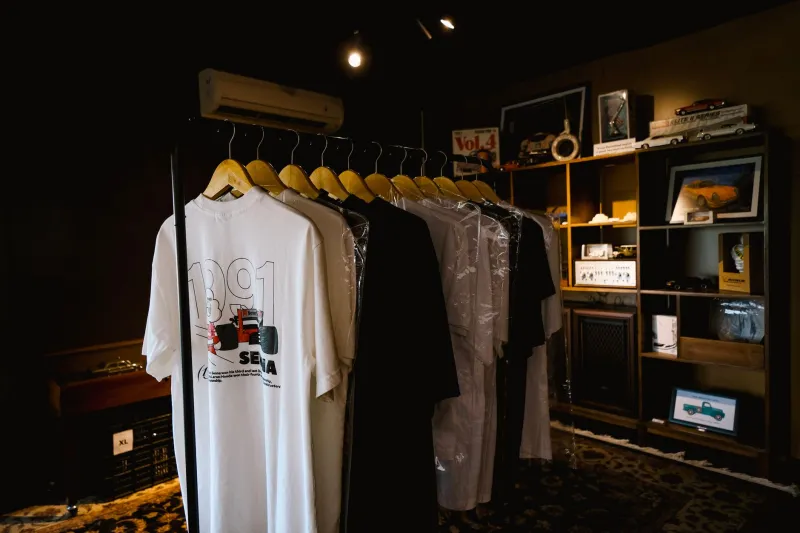
Somewhere in your closet — or your mom's basement, or a storage unit you've been meaning to clean out — there are pieces you stopped wearing not because they broke or fell apart, but because they stopped feeling current. You moved on. The culture moved on. And then, without asking permission, the culture moved back.
That's how fashion works. It always has. The question isn't whether your old fits will come back around — it's whether you'll know how to wear them when they do.
Why Streetwear Cycles Back Harder Than Anything Else
High fashion has a long memory, but streetwear has a longer one. The culture is built on referencing itself — sampling older aesthetics the same way hip-hop samples older records. Every generation of streetwear kids eventually becomes the one that gets sampled by the next wave. That's not nostalgia; that's the architecture of the whole thing.
Right now, we're deep in a moment that's pulling heavily from the late 2000s and early 2010s. Baggy silhouettes that got squeezed out by the slim-fit era are back with real force. Graphic tees with oversized, chaotic prints — the kind that Supreme, Bape, and a hundred smaller brands were putting out between 2008 and 2014 — are being treated like artifacts. Vintage sportswear mixing, which was a staple of that era's aesthetic, is showing up everywhere from lookbooks to TikTok fits.
If you have pieces from that window, you're not behind. You might actually be ahead.
The Specific Trends Worth Digging Back Out
Baggy silhouettes with real volume. The slim-fit moment is genuinely over for anyone paying attention. What's replacing it isn't just relaxed — it's full-on wide. Cargo pants with deep pockets and a dropped crotch, jeans that sit high and fall loose through the leg, hoodies with enough fabric to drown in. If you held onto any of this through the skinny years, now is the time.
Early 2010s graphic tees. The loud, busy, almost chaotic graphic language of that era — box logos, all-over prints, oversized back graphics — is being revisited hard. Brands like Palace, Odd Future, early Diamond Supply Co., and the underground wave of New York and LA skate labels from that period are all being referenced in current drops. If you have original pieces from any of those labels, they're not just wearable — they're coveted.
Vintage sportswear mixing. Wearing a vintage NBA warm-up jacket over a hoodie over a tee wasn't a statement in 2011 — it was just how people dressed. Now it reads as intentional and studied. Track pants from that era, old-school athletic shorts worn long, vintage college gear — all of it is cycling back into active rotation for people who know what they're doing.
Chunky sneakers and retro runners. This one's been in motion for a minute, but it's not slowing down. The same silhouettes that got laughed at in 2013 are now the most sought-after options on the resale market. If you have older pairs in decent condition, get them out.
How to Reintroduce Old Pieces Without Looking Frozen in Time
The mistake most people make when pulling older pieces back out is wearing them exactly the way they used to. That's what makes something look dated — not the piece itself, but the context it's placed in.
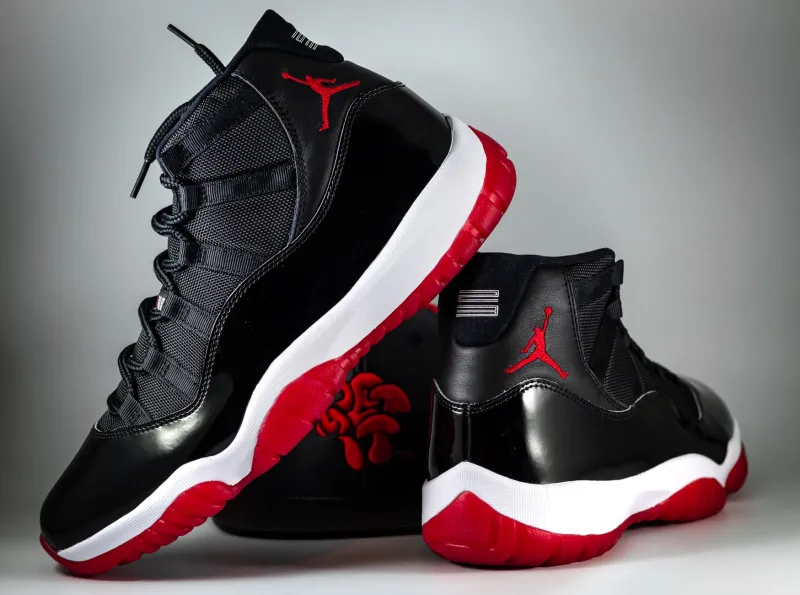
The fix is contrast. Pair an old graphic tee with something that's clearly current — wide-leg trousers instead of the baggy jeans you used to wear it with, or clean modern sneakers instead of the beat-up Jordans from the original era. One foot in the past, one foot in the present. That tension is what makes the look feel intentional rather than accidental.
Proportions are everything. A piece that was oversized in 2012 might actually fit differently now depending on what you're layering it with or how you're sizing up other elements in the fit. Try things on with fresh eyes. Don't assume the combination that worked then is the one that works now.
Condition matters more than it used to. Streetwear culture has always had room for wear and distress, but there's a difference between a piece that looks lived-in and one that just looks neglected. Give old pieces a proper wash, check for structural issues, and be honest about whether something has enough life left to carry a fit.
The Psychology of Holding On
There's a version of this conversation that's purely practical — keep old clothes, save money, stay ahead of the cycle. But there's another layer worth acknowledging: the pieces you held onto through multiple trend cycles are the ones that actually meant something to you. That attachment isn't embarrassing. It's data.
The people who cycle through every trend without holding onto anything don't build a wardrobe — they build a series of temporary identities that get donated every two years. The heads who hold onto pieces they genuinely love, even when the culture temporarily moves away from them, end up with something more interesting: a wardrobe with actual history.
That history is readable. When someone wears a piece that has clearly been with them for a decade — worn in the right places, styled with confidence — it communicates something that a brand-new drop never can.
The Timing Is Now
Trend cycles have compressed dramatically. What used to take a decade to resurface now takes five or six years. The early 2010s streetwear aesthetic isn't just approaching relevance — it's already here. The window to reintroduce these pieces as forward-thinking rather than throwback is open right now, but it won't stay open forever.
Dig through what you've been storing. Try things on with the proportions and combinations of today, not the past. Trust the pieces you loved enough to keep.
The culture already decided they were worth coming back to. You just have to show up.