Scarcity Is a Story: How Brands Manufacture Hype and Why You Keep Buying It
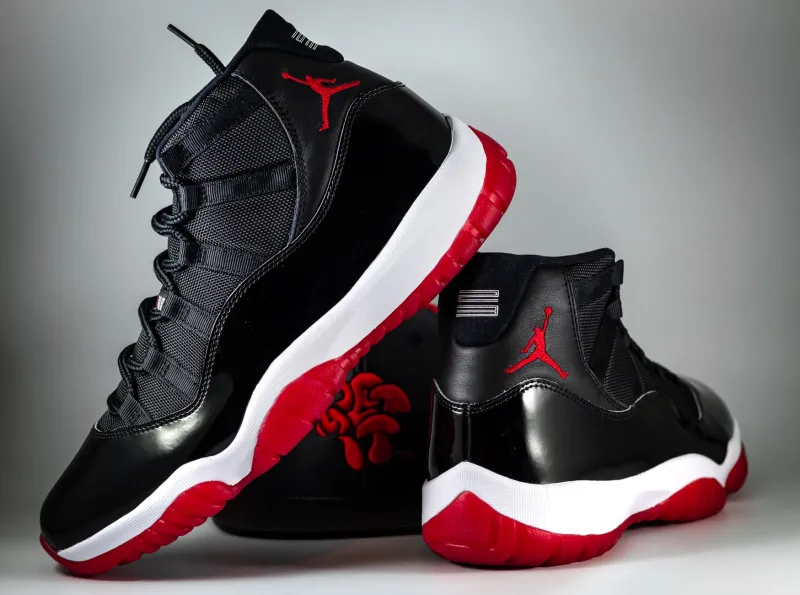
Scarcity Is a Story: How Brands Manufacture Hype and Sell You a Feeling
You've been there. You set the alarm, you refreshed the page, you maybe even paid a reseller markup because you couldn't get through at launch. Two months later, the same colorway is sitting on the brand's website at retail. The drop that was supposed to be gone forever just... came back.
This isn't a glitch. It's a feature. And the sooner streetwear culture gets honest about how this works, the sooner we can stop letting it play us.
The Scarcity Illusion and How It Gets Built
Limited edition drops work because scarcity is genuinely compelling. When something is hard to get, we want it more — that's basic psychology, and brands have known it forever. The problem isn't that brands create limited runs. The problem is when "limited" stops being a real description and becomes a marketing tactic with a flexible definition.
Here's the playbook as it actually runs. A brand announces a limited drop with a specific number — sometimes they publish the figure, sometimes they just imply it through the urgency of the marketing language. The drop sells out in minutes. The brand posts a sold-out notification and watches the resale market light up. Secondary prices spike. Social media engagement explodes because everyone who missed it is venting, and everyone who got it is flexing.
Then, quietly, the brand restocks. Sometimes it's framed as a "surprise drop." Sometimes it's a "second chance" release. Sometimes it just appears back on the site with no announcement at all, which is actually the sneakiest version because it catches resellers off guard and lets the brand capture retail revenue they'd already written off.
The Reseller Perspective
People who flip streetwear for a living are often the first to notice these patterns because their income depends on reading them correctly. Several resellers who spoke to us — all of whom asked to stay anonymous because they maintain relationships with brand reps — described a consistent set of signals they watch for.
"If a brand does a limited drop and the resale market peaks within the first 48 hours, that's usually a sign the inventory was genuinely tight," one reseller explained. "But if the secondary market stays elevated for more than two weeks without crashing, that often means the brand is sitting on more stock and timing when to release it."
Another reseller described what he calls "the soft restock" — inventory that appears on international versions of a brand's website before quietly migrating to the US site. "You learn to check the Canadian and UK sites after a US sellout. Half the time the stuff is still sitting there at retail. That tells you everything about how limited the drop actually was."
Backdoor releases — pieces that go to retail employees, brand friends, or preferred accounts before or outside of the public drop — add another layer of complexity. This has always existed in streetwear, but the scale has grown as brands have expanded their influencer and wholesale networks. A "limited" run of 500 pieces means something very different if 200 of those pieces were pre-allocated before the public ever got a chance.
Which Brands Are Actually Playing It Straight
Not every brand runs the same game. There are labels — typically smaller, more independent operations — that treat scarcity as a genuine production reality rather than a marketing lever. These brands tend to have a few things in common.
They're transparent about production numbers. They don't do surprise restocks. Their resale prices stabilize relatively quickly because the market trusts that what sold out is actually gone. And when they do sell out, they say so clearly and don't revisit it.
The larger a brand gets, the harder it is to maintain this. The economics of scaling production create pressure to make more units, and making more units creates pressure to move them — which means restocks start looking attractive even when they undermine the brand's scarcity positioning.
Some heritage brands have managed the tension reasonably well by being upfront about their restock policies before drops happen. When customers know the rules in advance, a restock doesn't feel like a betrayal. It's the brands that promise exclusivity and then quietly walk it back that erode trust.
What It Says About the Brands You're Riding For
The real question isn't whether a brand does restocks. It's whether they're honest about it. A brand that tells you upfront that there may be additional inventory released over time is playing fair. A brand that creates urgency through scarcity language and then undermines that scarcity with backdoor moves is making a choice about how it values your trust.
For streetwear consumers, this is worth sitting with. The hype machine runs on emotional investment, and emotional investment is a resource you're choosing to spend. Spending it on brands that respect the relationship is a different decision than spending it on brands that have figured out how to monetize your FOMO.
How to Protect Your Bag and Your Energy
A few practical moves for navigating this landscape:
Wait 30 days before paying resale markup. A significant percentage of "sold out" drops restock within a month. Patience is free.
Watch the brand's restock history. This information is publicly available if you pay attention. Brands that have restocked "limited" drops before will almost certainly do it again.
Follow reseller communities. The people whose income depends on reading these patterns accurately are often the best source of real-time intelligence on what's actually scarce versus what's being made to feel scarce.
Buy what you actually want to wear. The most reliable protection against hype manipulation is wanting the piece for reasons that have nothing to do with exclusivity. If you'd cop it at retail six months from now, the urgency of a limited drop shouldn't change your decision-making.
Scarcity is a story. Sometimes it's a true story. Sometimes it's fiction dressed up in drop mechanics. Knowing the difference is the most valuable skill in the modern streetwear game.