Four Seasons, One Rotation: The Climate-Proof Streetwear Playbook for American Wardrobes
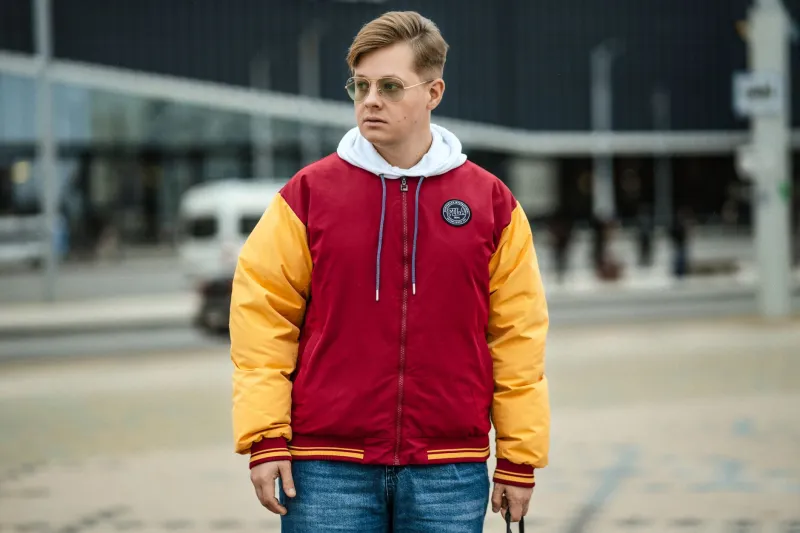
Streetwear advice online mostly assumes one climate: the mild, camera-ready 65-degree day where a hoodie and cargos look perfect. Meanwhile, you're sweating through July in Atlanta or scraping ice off your car in Minneapolis wondering why the fit guide never mentioned any of this.
The truth is, dressing well in streetwear is a regional skill. Your rotation should be built like your sneaker collection — specific to where you actually live, not where the lookbook was shot. Let's break down how to climate-proof your wardrobe for real American weather.
Start With Fabric, Not Fits
The single biggest upgrade you can make is learning what your clothes are made of. That heavy cotton fleece hoodie that feels amazing in October? It's a sauna in August and useless against February wind.
Build around these rules:
- Hot and humid (the South, most of summer everywhere): Lightweight cotton, linen blends, and moisture-wicking technical fabrics. Heavyweight is a flex, but 450 GSM fleece in 95-degree heat is a punishment.
- Cold and wet (Pacific Northwest, Northeast winters): Wool blends and treated shells. Water resistance matters more than raw warmth when you're getting rained sideways on.
- Dry and extreme (the Southwest, High Plains): Breathable layers that handle 40-degree temperature swings between day and night. Think light long sleeves you can shed.
- Wind and snow (Midwest, Mountain West): Windbreakers and insulated shells over your standard fits. The wind chill will humble any outfit.
Layering Is the Real Skill
Anyone can throw on a puffer when it's 20 degrees. The heads who really win are the ones who can build a fit that works indoors, outdoors, and everywhere in between.
The formula: base layer (fitted tee or thermal), mid layer (crewneck, hoodie, or knit), outer layer (shell, chore jacket, or puffer). Keep the base thin so the silhouette doesn't balloon, and let your outermost piece carry the visual weight. A baggy shell over a tapered base keeps the shape intentional instead of sloppy.
In transitional months — the shoulder seasons of April and October — that mid layer becomes your whole fit. Invest there first.
Your Seasonal Checklist
Summer:
- 2-3 lightweight tees you actually like (not gym-adjacent freebies)
- Breathable shorts with a real silhouette, not basketball-practice mesh
- A light overshirt for aggressive AC and evening drops in temperature
Winter:
- One serious outer layer — this is the piece people see for five months, so make it count
- Thermals that disappear under everything
- Weather-appropriate footwear. Your white leather lows will not survive a slushy Chicago January, and everyone knows it.
Spring/Fall:
- Hoodies and crews in midweight fleece
- A denim or chore jacket that layers over a hoodie without bunching
Budget-Friendly Climate Swaps
You don't need to drop rent money on technical wear. Some moves that punch way above their price:
- Thrift wool and shells. Vintage outerwear was built for weather in a way a lot of modern fast fashion isn't. Military surplus stores are goldmines for legit cold-weather pieces at a fraction of retail.
- Waterproofing spray is five dollars. Protect the sneakers and canvas you already own before buying anything new.
- Buy outerwear off-season. Puffers in April, shorts in November. The discounts are real if your timing is right.
- One great base beats five mediocre layers. A quality thermal or merino tee does more for comfort than a closet full of cheap fillers.
The Fit Comes First, Always
Here's the thing: climate-proofing isn't about abandoning your style for a rain jacket. It's about making sure the weather never has to choose between comfort and the fit. When your rotation actually works in your climate, you stop dressing for the forecast and start dressing like yourself — every month of the year.
The streets don't take seasons off. Neither should your drip.