Cut the Clutter: A No-Mercy Guide to Cleaning Out Your Streetwear Collection
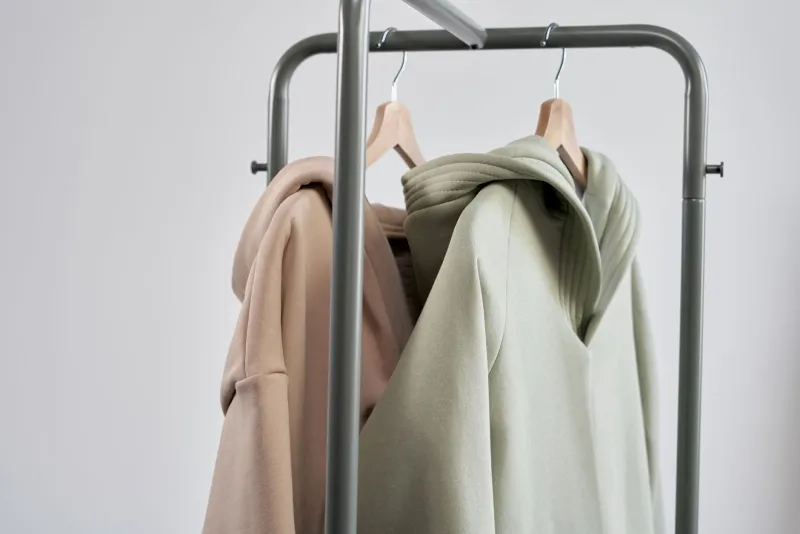
Let's be real for a second. Most closets aren't wardrobes — they're graveyards. Somewhere between the impulse cop at 2 a.m. and the collab drop you talked yourself into, a bunch of pieces snuck in that have no business taking up shelf space. They're just sitting there, collecting dust, quietly killing your fit game from the inside out.
A strong streetwear collection isn't about volume. It's about intentionality. And if you can't pull together a clean look without digging through a pile of regrets, something's gotta give. Time to run the audit.
Why Your Closet Is Working Against You
Here's the thing nobody wants to say out loud: a crowded closet makes you dress worse. When everything is crammed together, decision fatigue sets in. You end up defaulting to the same three outfits because they're the easiest to grab, while the rest of your collection just sits there collecting lint.
StreetWear is a culture built on expression. But expression only lands when it's deliberate. Every piece you own should have a clear purpose — a role it plays in your rotation. If you can't immediately picture where something fits into your life, that's already a red flag.
The goal here isn't minimalism for minimalism's sake. It's clarity. A tighter, more intentional wardrobe means faster decisions, stronger fits, and a collection that actually reflects who you are right now — not who you were two years ago.
Red Flag #1: The Overworn Graphic Tee
Graphic tees are the backbone of streetwear. But there's a version of a graphic tee that's crossed a line, and you probably know exactly which ones we're talking about. The collar is stretched. The print is cracking. The color has shifted from black to something closer to charcoal gray with a slight greenish tint.
If you've worn it enough that it looks like it survived something, it's done its job. Let it retire. Holding onto a beat-up graphic out of loyalty isn't paying homage to the culture — it's just clutter with a story attached.
The rule: if you wouldn't wear it out today without a second thought, it doesn't belong in your active rotation. Archive it, frame it if it actually means something, or let it go.
Red Flag #2: Fits That Don't Layer Right Anymore
StreetWear lives and dies by layering. An oversized hoodie that hits different under a coach jacket, a long-sleeve base that peeks out just right — these combinations are what separate a thought-out fit from just getting dressed.
Now go through your pieces and ask: does this actually layer with anything else I own? Some stuff that looked great as a standalone buy just doesn't play well with others. The proportions are off. The fabric is too thick to sit right under outerwear. The length breaks the silhouette instead of adding to it.
Pieces that only work in isolation are a liability. They limit your options instead of expanding them. Unless something is genuinely versatile — or serves a very specific purpose you know you'll use — a piece that doesn't layer right is dead weight.
Red Flag #3: The Impulse Buy That Never Matched Your Life
We've all been there. The drop was hyped. The colorway was fire. You copped it fast before you could talk yourself out of it. And then you got home, hung it up, and slowly realized it had absolutely nothing to do with how you actually dress.
Maybe it was a pair of pants that required a whole different wardrobe to make work. Maybe it was a jacket that only made sense at events you never actually go to. Whatever it was, it's been sitting there ever since, occasionally making you feel guilty every time you see it.
Impulse buys aren't always mistakes — sometimes you luck into something great. But if a piece has been in your closet for more than six months without being worn, that's your answer. It doesn't match your actual lifestyle. It matched the version of yourself you imagined when you were caught up in the hype.
Be honest about who you are day-to-day. Your closet should reflect that person, not the fictional one you dress in your head.
How to Actually Run the Audit
Pull everything out. Not just the stuff you wear — everything. Lay it flat or hang it somewhere you can see it all at once. This step alone is usually enough to shock people into action.
For each piece, run through three quick questions:
1. Have I worn this in the last 90 days? If the answer is no, you need a reason. Seasonal pieces get a pass. Everything else is on trial.
2. Does it still fit the way it's supposed to? Not just physically — does the silhouette still align with how you're dressing now? Fits evolve. Something that worked for you two years ago might be pulling your current aesthetic in the wrong direction.
3. Does it connect to at least three other pieces I own? Versatility is everything. If you can't build multiple outfits around something, it's either a statement piece you're committed to or it's taking up space it hasn't earned.
Anything that fails all three questions goes in the out pile. No negotiating.
What to Do With What You're Cutting
The beauty of streetwear culture is that nothing has to go to waste. If you've got pieces in solid condition, resale is always an option — apps like Depop, Grailed, and StockX have active communities of buyers who might actually rock what you're letting go. Somebody out there is looking for exactly what's been sitting in your closet.
For stuff that's too worn to sell but still has some life, consider repurposing or donating. And if something is genuinely done — faded, shrunk, falling apart — let it go without ceremony. It served its time.
The Closet You Build After the Cut
Here's what happens on the other side of a real audit: you actually enjoy getting dressed again. When every piece in your closet earns its spot, putting together a fit stops feeling like a puzzle and starts feeling like a creative exercise. You know what you have. You know how it works together. You stop buying stuff to fill gaps that don't exist.
The strongest wardrobes aren't the biggest ones. They're the most deliberate. Cut the dead weight, and what you're left with is a collection that actually represents your style — not just your purchase history.
That's the move. Make it.