Scroll to Shelf: How Your For You Page Became the World's Most Powerful Fashion Designer

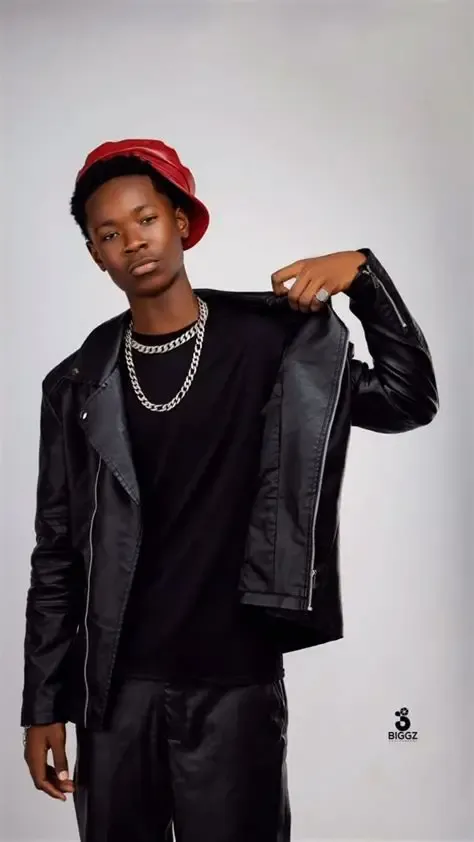
Photo: person filming streetwear outfit TikTok phone urban fashion content creator, via static.independent.co.uk
Picture this: A 22-year-old in Atlanta throws together an outfit — oversized varsity jacket, wide-leg cargos, chunky loafers, a fitted cap tilted just right. She posts a 12-second clip on TikTok. By Thursday, it has 3 million views. By the following Monday, three separate brands have slid into her DMs, two independent designers have dropped near-identical pieces, and a major retailer's buying team has flagged the look in their weekly trend report.
This is fashion in 2024 and beyond. The runway still exists, but the For You Page is running things now.
Social media's relationship with streetwear has evolved well past "influencer posts outfit, followers buy outfit." What's happening today is more structural, more recursive, and honestly more interesting. Platforms like TikTok and Instagram have become active participants in the design process itself — shaping silhouettes, surfacing subcultures, and collapsing the timeline between trend emergence and production response to a degree that would've seemed impossible a decade ago.
The Feedback Loop Nobody Talks About
Here's how the cycle actually works, broken down plainly.
A creator posts a fit. It resonates — maybe because of the color combination, maybe the way it references a specific subculture, maybe just because the energy is right. The algorithm amplifies it. Other creators riff on it, remix it, add their own context. The sound and the aesthetic become linked. Suddenly it's not one video, it's a micro-trend with its own visual language.
Brand social teams are watching all of this in real time. Larger labels have dedicated trend analysts who track TikTok and Instagram the way meteorologists track weather patterns. When something breaks through the noise, it gets flagged. Mood boards get updated. Designers get briefed. And depending on the brand's production speed, that aesthetic influence can show up in actual product anywhere from six weeks to six months later.
For fast-fashion operations, six weeks is generous. Some are moving faster.
This feedback loop means that consumers — specifically the creators and commenters and duet-makers on these platforms — are functionally co-designing what ends up in stores. That's a genuine power shift, even if most people scrolling don't think of themselves as having any hand in the design process.
Independent Designers Are Playing This Better Than Anyone
If you want to see social media's design influence at its most direct, skip the big brands for a second and look at what independent streetwear designers are doing.
Small labels with limited capital and no legacy distribution deals have figured out that virality is a viable alternative to traditional retail infrastructure. Post the right content, build a community, and you can sell out a 50-piece run before you've even finished production — a made-to-order model that eliminates overstock risk and builds hype simultaneously.
Creators like Denim Tears' Tremaine Emory and the teams behind brands like Aimé Leon Dore didn't blow up because of full-page magazine spreads. They grew through carefully cultivated social presence, authentic storytelling, and pieces that photograph in a way that demands to be shared. That's intentional design for the algorithm, even when it doesn't look like it.
For newer designers, the playbook is increasingly about building your aesthetic identity online first and your physical product second. If people are already engaging with your vision — your references, your color palette, your cultural touchstones — launching product into that audience is a much shorter leap than starting from zero with a wholesale pitch to a boutique.
When a Video Can Make or Break a Drop
The flip side of social media's amplification power is that it can move against you just as fast.
A poorly executed colorway, a sizing callout that goes viral for the wrong reasons, a collab that reads as tone-deaf to the community it's borrowing from — any of these can surface on TikTok and rack up millions of views before your PR team has drafted a response. The same speed that makes social media a launch accelerator makes it a liability amplifier.
We've seen it happen. Brands drop a hyped piece, and instead of the usual celebration content, the comment sections fill up with criticism — about quality, about pricing, about cultural appropriation. Those threads get screenshotted, turned into videos, and stitched by creators with large followings. The narrative shifts in real time.
This dynamic has made some brands more careful and more community-engaged in how they develop and communicate around drops. The smart ones aren't just posting product content — they're in the comments, they're doing Q&As, they're letting their actual design process be visible on social. Transparency is a currency now.
The Algorithm Has Taste (Sort Of)
One thing worth sitting with: when we say social media is "designing" streetwear, we should be precise about what that means. The algorithm doesn't have aesthetic preferences. It optimizes for engagement — watch time, shares, saves, comments. What gets amplified is what triggers a reaction, not necessarily what's most creative or culturally meaningful.
That creates some weird distortions. Extremely safe, broadly appealing aesthetics can outperform genuinely innovative work because they generate more immediate engagement. Niche subcultures that are doing the most interesting things stylistically might not crack the algorithm's surface at all, while a more palatable version of that same aesthetic — stripped of its specific cultural context — goes mega-viral.
For streetwear, a culture built on specificity and subcultural authenticity, that's a real tension. The algorithm doesn't know the difference between a look that comes from somewhere and a look that just looks like it does.
What This Means for How You Shop and How You Dress
If you're a streetwear consumer trying to navigate this landscape, the most useful thing you can do is develop your own visual literacy. Follow creators who have a point of view, not just reach. Dig into the brands they're actually wearing day-to-day versus the ones they're being paid to post. Notice when a trend feels organic and when it feels manufactured.
And honestly? Don't sleep on the smaller accounts. The most interesting stuff in streetwear right now is coming from creators with 15,000 followers who are deeply embedded in a specific scene — not the mega-influencers whose feeds are essentially brand catalogs.
At DZX Apparel, we're not just watching these trends from the outside. We're part of the conversation. The culture is always moving, always generating new references and new energy. Social media is the fastest channel we have for tracking where it's going next.
The For You Page isn't just entertainment. It's the mood board. Scroll accordingly.