The Silhouette Code: How to Actually Nail Streetwear Sizing From Head to Toe
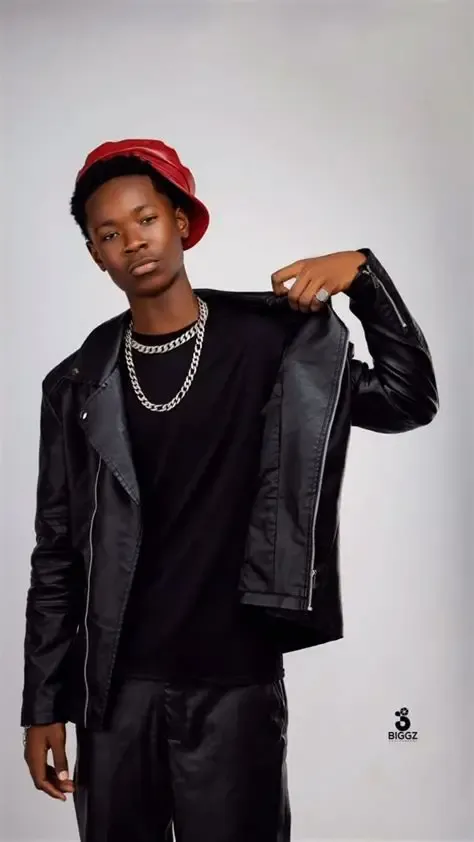
Photo: Juizi Empire, CC0, via Wikimedia Commons
You've seen it happen. Someone puts on all the right pieces — the right brand, the right colorway, the right season — and it still doesn't land. Something's off. The proportions are fighting each other. The fit looks borrowed rather than owned.
Streetwear has its own visual grammar, and sizing is a huge part of it. Get the proportions right, and a simple tee-and-cargo combination looks intentional and sharp. Get them wrong, and even the most hyped pieces can fall flat. The good news? Once you understand the underlying logic, it starts to click fast.
This guide is for everyone — whether you just started building your first street-influenced wardrobe or you've been in the game for years and want to sharpen your eye.
The Foundation: What "Oversized" Actually Means
Let's start with the most misunderstood concept in streetwear sizing: oversized does not mean shapeless.
Oversized is a deliberate choice about proportion and silhouette. The goal isn't to look like you borrowed your big cousin's clothes. It's to create a specific visual weight — relaxed, confident, unhurried. Done right, an oversized piece creates presence. Done wrong, it just looks like a sizing mistake.
Here's the rule of thumb: one oversized element at a time, balanced by something more fitted or structured elsewhere. An oversized hoodie pairs with slim or tapered pants. Baggy cargos work with a fitted tee or a cropped layer on top. The contrast is what makes the look read as intentional rather than accidental.
Shoulders are your anchor point. When sizing up a top, the shoulder seam shouldn't drop more than an inch or two past your actual shoulder. Once it slides past mid-upper arm, the whole thing starts to look like a hand-me-down rather than a style choice. That's the line between oversized and just... too big.
Cropped Proportions: Not Just for One Body Type
Cropped pieces have been central to streetwear aesthetics for years — and they're not going anywhere. Cropped hoodies, tees, jackets, and coaches are everywhere right now, and for good reason. They add visual interest, create proportion contrast, and pair well with high-waisted bottoms.
The misconception? That cropped pieces only work for certain body types. That's not how this works.
For anyone who tends to avoid cropped tops: the key is in the pairing. A slightly cropped hoodie (hitting at or just above the hip) worn with high-rise pants or shorts creates a clean line without exposing much. It gives you the aesthetic of the crop without the vulnerability of a full stomach cutout. That's a styling move, not a compromise.
For taller frames, cropped pieces can help break up a long torso and add visual balance. For shorter frames, a subtle crop combined with high-waisted bottoms creates the illusion of longer legs — a classic trick that works every time.
The crop-to-bottom ratio matters too. The shorter the crop, the higher the waistband on your bottoms needs to sit. Keep that relationship tight and the whole fit holds together.
Layering: Building Depth Without Bulk
Layering is where streetwear really separates itself from other style categories. A well-layered fit communicates effort, creativity, and an understanding of how clothes interact with each other. It's also one of the easiest places to go wrong.
The cardinal rule of streetwear layering: each layer should be visible and intentional. If you can't see it, why is it there? Letting a long-sleeve tee peek out from under a short-sleeve graphic tee is a classic move. A zip-up left open over a hoodie works when the colors and textures complement each other. An overshirt worn as a jacket adds dimension without adding bulk — as long as it fits correctly in the shoulders.
Color and texture play a big role here. Monochromatic layering (different shades of the same color family) is one of the easiest ways to build depth without making the look feel busy. Mixing textures — say, a fleece hoodie under a nylon shell — adds visual complexity without requiring you to juggle competing patterns.
One thing to avoid: layering multiple oversized pieces on top of each other. Two boxy items stacked creates shapeless volume, not intentional layering. Alternate between fitted and relaxed pieces as you build upward.
Common Sizing Mistakes That Kill an Otherwise Fire Fit
Let's talk about what actually goes wrong — because knowing the mistakes is half the battle.
Pants that are too long. This one is massive. Streetwear pant length has its own set of unwritten rules. Cargos and wide-leg pants often look best with a slight break or stack at the ankle — but dragging on the floor reads sloppy, not styled. Cropped or straight-hem pants should hit right at or just above the ankle. When in doubt, get them hemmed. It costs almost nothing and makes a significant difference.
Shoes that don't scale with the fit. Chunky sneakers and boots carry visual weight. If you're wearing slim or tapered pants, a massive shoe adds grounding and contrast. But if you're already in wide-leg or baggy bottoms, an oversized shoe can make the whole lower half look like it's swallowing your legs. Match the visual weight of your footwear to the proportions of your pants.
Ignoring the torso-to-leg ratio. This is the core of silhouette work. A long top needs a shorter bottom (or at least a more fitted one) to maintain balance. A cropped top opens up the visual space for more volume below. Keep this ratio in mind every time you're putting a fit together.
Sizing up without considering the shoulders. We mentioned this earlier, but it's worth repeating. The shoulder seam is your north star. Everything else can be adjusted — length, hemming, how you style the rest — but a shoulder seam that's completely off will always make a top look wrong on your frame.
Building Your Own Sizing Instinct
All of this comes down to developing an eye — and that takes time and reps. The best way to accelerate the process is to pay attention to fits you admire, then reverse-engineer them. What's oversized? What's fitted? Where does the crop hit? What's the shoe doing for the overall proportion?
Once you start seeing fits in terms of proportion and visual weight rather than just individual pieces, your own styling decisions get a lot sharper. You stop chasing specific items and start building looks from a place of understanding.
At DZX, we believe your fit should feel like yours — not a copy, not a costume. The silhouette is where that identity starts. Get that right, and everything else follows.