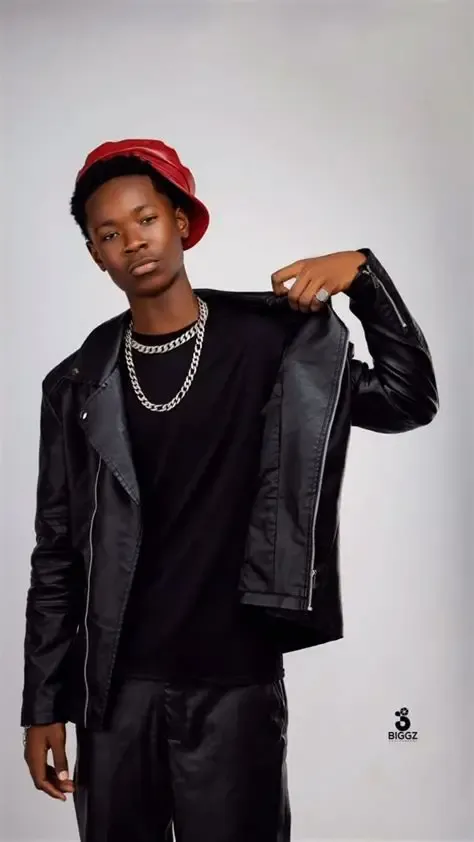
Conscience Is the New Clout: How Sustainable Streetwear Became the Culture's Biggest Flex

Photo: The Portable Antiquities Scheme, Dot Boughton, 2010-12-03 15:35:25, CC BY-SA 2.0, via Wikimedia Commons
There was a time when copping the latest drop meant refreshing a browser at midnight, clicking through checkout in under 60 seconds, and waiting for a cardboard box to arrive on your doorstep two days later. No questions asked. No labels read. Just the hit.
That era isn't exactly over, but it's got serious competition. A growing segment of streetwear consumers — loud, informed, and deeply online — is flipping the script on what it means to dress well. For them, the most powerful thing you can rock in 2024 isn't a limited-edition collab. It's a brand that can actually tell you where your hoodie came from.
Sustainable streetwear has graduated from a feel-good footnote to a legitimate movement. And it's reshaping the entire industry from the ground up.
The Fast Fashion Hangover Is Real
Let's be honest about what fast fashion actually costs. Not the $12 price tag — the real cost. The fashion industry is responsible for roughly 10% of global carbon emissions and is the second-largest consumer of the world's water supply. Polyester, which makes up nearly 60% of all clothing produced, can take up to 200 years to decompose in a landfill.
For a generation that grew up watching climate disasters play out on TikTok in real time, those numbers hit different. Gen Z consumers — particularly those aged 18 to 26 — aren't just aware of this data. They're acting on it. A 2023 survey by First Insight found that 73% of Gen Z respondents were willing to pay more for sustainable products. That's not a fringe opinion. That's a market signal.
"We were tired of buying something that looked fire for two washes and then fell apart," says Marcus Webb, co-founder of a Chicago-based sustainable streetwear label that launched in 2021. "But beyond the quality issue, we just couldn't keep ignoring where the product was coming from. Once you see the supply chain, you can't unsee it."
The Brands Doing It Different
Across the country, a new class of streetwear founders is building brands on a fundamentally different blueprint. Instead of chasing trend cycles that refresh every few weeks, they're investing in slower, more intentional production models.
Some are going deep on materials — switching from conventional cotton to organic, GOTS-certified alternatives, or leaning into deadstock fabrics that would otherwise end up in a landfill. Others are partnering with domestic manufacturers to cut down on shipping emissions and ensure fair wages. A few are going even further, publishing full supply chain audits directly on their websites so consumers can trace every step from raw material to finished garment.
Transparency, it turns out, is a brand asset.
"When we started showing people exactly how our pieces were made — the factory, the workers, the cost breakdown — something shifted," says Destiny Alvarez, founder of a Los Angeles-based eco-conscious streetwear brand. "People stopped seeing the higher price as a barrier. They started seeing it as proof."
That shift in perception is significant. In streetwear culture, where exclusivity and authenticity have always commanded a premium, sustainability is finding its footing as the next frontier of credibility.
The Price-to-Conscience Trade-Off
Still, it would be dishonest to pretend there's no tension here. Sustainable streetwear is almost always more expensive than its fast-fashion counterparts. A responsibly produced heavyweight tee might run $55 to $80, compared to $15 from a mass-market retailer. That gap matters — especially for younger consumers who are enthusiastic about ethics but working with limited budgets.
The conversation around accessibility is one the sustainable streetwear community is actively wrestling with. Some brands are experimenting with tiered pricing models, community pre-orders, or resale programs that keep pieces circulating rather than heading to the trash. Others are leaning into the "cost-per-wear" framing: a well-made piece you wear 200 times is cheaper in the long run than a cheap piece you wear five times.
Thrift culture also plays a role. Gen Z's well-documented love of secondhand shopping isn't separate from the sustainability conversation — it's central to it. Buying vintage or pre-loved streetwear keeps clothing out of landfills and gives consumers access to quality pieces at lower price points. For many, thrifting and buying sustainable new releases aren't competing habits. They're part of the same philosophy.
Sustainability as Status Symbol
Here's where things get culturally interesting. In streetwear, status has always been communicated through what you wear. Logos, colorways, limited drops — these are the signals that tell the room who you are and what you're about.
But the signals are evolving. Knowing the story behind your clothes — the founder, the factory, the fabric source — is becoming its own kind of cultural currency. It's not just about flexing a brand name. It's about flexing your values.
This isn't performative in a hollow way. It reflects a genuine shift in how younger consumers think about consumption. They want their purchases to mean something beyond aesthetics. They want their wardrobe to reflect who they are, not just what's trending on a given Tuesday.
"Sustainability used to feel like it was for a different kind of consumer — like it wasn't for us," says Webb. "Now it's ours. It belongs to street culture. It always should have."
What Comes Next
The sustainable streetwear movement isn't without its challenges. Greenwashing — brands slapping eco-friendly language on products without meaningful change behind the scenes — is a real and growing problem. Savvy consumers are getting better at spotting it, but the burden of vetting claims still falls disproportionately on the buyer.
Regulation may eventually help level the playing field. Several states, including California, have introduced or passed legislation requiring greater supply chain transparency from apparel companies. As those standards become more widespread, the gap between brands doing the real work and those just talking about it will become harder to hide.
For now, the movement is being driven by founders with something to prove and consumers with something to say. The message is getting louder: the culture doesn't have to choose between looking good and doing right. Those two things can — and should — live in the same fit.
Wear the streets. But know where your clothes came from.