Zero Budget, Maximum Drip: Building Killer Streetwear Looks From the Thrift Rack Up
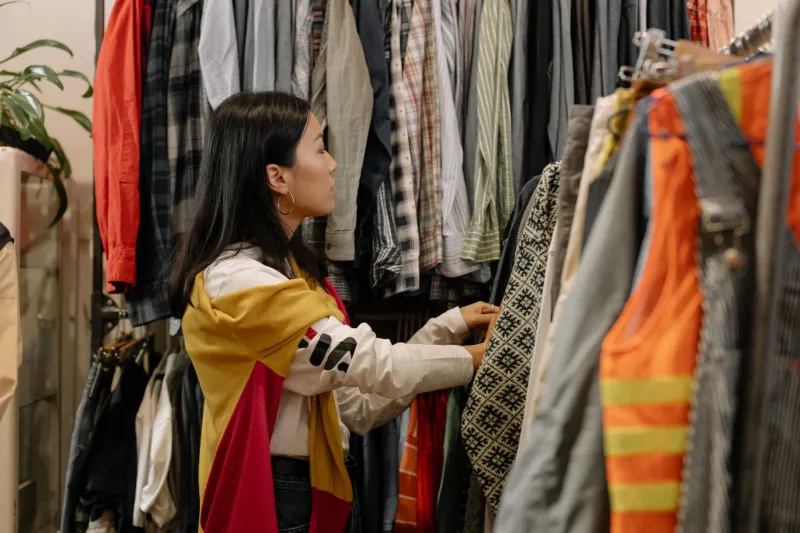
Let's get something straight: streetwear was never about money. It was about taste. The culture was built by kids who couldn't afford the runway but had enough vision to make a $4 flannel look intentional. That DNA hasn't gone anywhere — it's just gotten buried under resale markups and brand hype. If you know how to shop a thrift store, you already have access to one of the most powerful wardrobes on the block.
The trick isn't luck. It's knowledge.
Why Thrift Stores Are Streetwear's Untapped Goldmine
Chains like Goodwill, Salvation Army, and Buffalo Exchange move thousands of pieces a week. So do regional spots — those dusty neighborhood thrift shops that don't have Instagram pages but somehow always have better inventory. The reason serious thrifters keep their go-to spots quiet is simple: the supply is real, and the competition is growing.
Street style's current obsession with vintage sportswear, oversized silhouettes, and worn-in textures makes thrift stores the most relevant shopping destination right now — not an afterthought. A faded Champion crewneck from 2003 hits different than a brand-new one from the mall. The wear tells a story. That's not a bug; that's the whole point.
What to Look For (And What to Leave Behind)
The difference between a thrift haul that slaps and one that just looks cheap comes down to knowing your fabrics and construction. Here's where to focus:
Cotton weight matters. Thin, pilling cotton is a dead giveaway that a piece won't hold up or photograph well. Run your fingers through the fabric. Heavier cotton — especially in tees, sweatshirts, and hoodies — drapes better and reads more premium. Look for double-stitched seams and ribbed cuffs that haven't gone slack.
Check the collar. Stretched-out necklines on tees are usually a pass unless you're intentionally going for that deconstructed look. On flannels and button-ups, collar integrity signals overall garment quality.
Vintage sportswear is everywhere if you know the labels. Russell Athletic, Starter, Logo Athletic, Reebok, Fila — these brands produced serious volume in the 80s and 90s, and that volume is still cycling through thrift stores across the country. A beat-up Starter jacket in the right colorway is a trophy piece. A Fila polo from the early 90s with the right proportions can anchor an entire fit.
Denim is always worth the dig. Lee, Wrangler, Levi's — all three show up regularly and all three are workhorses. Don't sleep on non-Levi's options either. A stiff, high-rise Lee jean in a dark wash can be the most interesting piece in a fit heavy on modern basics.
The Layering Moves That Elevate Everything
Thrifted pieces can look scattered if you don't have a system. Layering is the equalizer — it pulls disparate items into something cohesive and intentional.
The oversized tee under an open flannel or lightweight jacket is a foundational move that hasn't aged out. The key is proportion. If the tee is truly oversized, the outer layer should be relaxed but not as voluminous — you want contrast, not chaos.
Thermal underlayers are underrated. A thermal long-sleeve peeking out from under a graphic tee or hoodie adds depth and texture without spending anything extra. Thrift stores are loaded with them in every color, and they're almost always in good condition because people underuse them.
Vintage sportswear as an outer layer, not a statement piece. A Starter pullover or a beat-up track jacket works hardest when it's layered over a clean, simple base — a white tee, a black hoodie, a plain crewneck. Let the vintage piece carry the visual weight without competing with anything underneath it.
The Strategic New Piece Rule
Full thrift fits can work, but the smartest move is a hybrid approach: thrift your basics and your statement pieces, then invest selectively in one or two new items that tie everything together.
Footwear is usually where that investment makes the most sense. A clean pair of New Balance 990s or Nike Air Max 90s in good condition can make a fully thrifted fit look deliberate and polished. The contrast between worn-in clothing and fresh shoes is a classic streetwear tension that reads as intentional rather than accidental.
Accessories are the other lever. A quality belt, a fitted cap, or a simple chain can reframe an entire outfit. These don't have to be expensive — they just have to be clean and chosen with intention.
How to Build Your Thrift Shopping Practice
Thrifting rewards consistency more than it rewards single big trips. Going once a month to the same few spots lets you track inventory cycles and catch new drops before anyone else. Most Goodwill locations rotate stock weekly, which means showing up on the same day each week gives you a competitive edge.
Sizing up is almost always the right call. Streetwear's current silhouette language favors oversized and relaxed, which means pieces in larger sizes — often overlooked by other shoppers — are frequently the best finds. A 2XL vintage crewneck worn over a base layer with the sleeves pushed up is a finished look. Don't let the tag size scare you off.
Finally, don't overthink the wash. Most thrifted pieces just need a good cycle through the machine with quality detergent. Odors come out. Stiffness loosens. A piece that looks rough on the rack often looks completely different after a wash.
The Bottom Line
The most respected fits in streetwear culture have always been the ones that required the most thought, not the most money. Thrift stores are where that thinking gets tested in real time. You can't just swipe a card and walk out looking right — you have to know what you're looking at, what works together, and how to build something from pieces that weren't designed to be a set.
That's the skill. And once you have it, no price tag can replicate it.