Your Size Chart Is Fiction: How to Build a Fit Profile That Actually Works

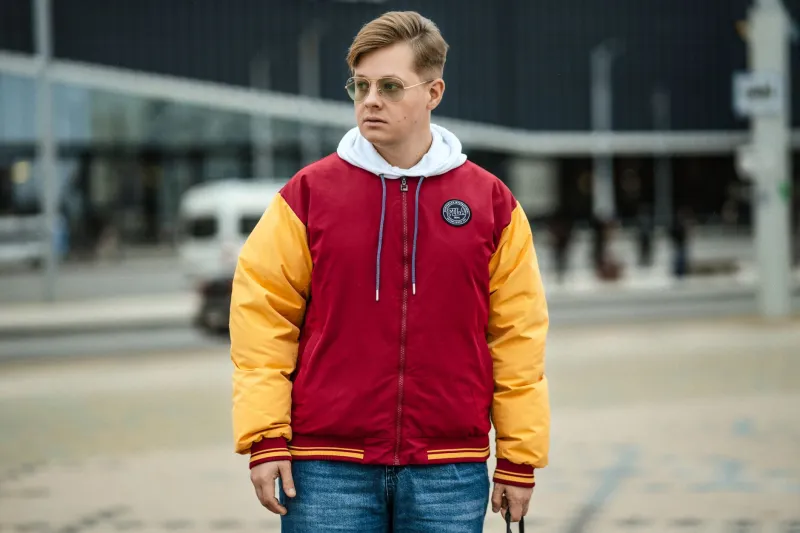
Photo: Schorle, CC BY-SA 4.0, via Wikimedia Commons
There is no such thing as a medium. There is a medium from one brand that fits like a large from another, a medium that is actually a relaxed large, and a medium that was cut for a body that does not exist. If you have ever ordered your usual size and received something that fit like a completely different garment, you are not losing your mind. You are shopping in the wild west of streetwear sizing.
The good news: you do not need brands to get consistent. You need your own system.
The Problem Is Not Your Body
Streetwear sizing is inconsistent for real reasons. Brands use different fit blocks. Some grade patterns up and down from a sample size. Some use vanity sizing to flatter customers. Some label oversized cuts as regular because the word oversized scares people off. Some sell unisex pieces that were never really cut for a range of bodies. And vintage sizing is its own separate universe.
That means the label on the neck is the least reliable piece of information you have. The measurements are the truth.
Measure Yourself Once, Properly
You need a soft tape measure, a mirror, and ideally a second person. Measure your chest at the fullest point, your shoulders from seam to seam on a garment that fits you well, your body length from the high point of the shoulder, your sleeve from shoulder seam to cuff, your waist at your natural waist, your hips at the fullest point, your inseam from crotch seam to hem, and your thigh circumference. Write it down. Re-measure twice a year. Bodies change. That is normal.
Do not measure over a bulky hoodie unless that is how you plan to wear the piece. Measure the body you are dressing, not the body you had three years ago.
Understand Ease and Drop
Body measurements tell you what you are working with. Garment measurements tell you how the piece will fit. The difference between the two is ease. A tee with two inches of chest ease fits close. A tee with six inches fits relaxed. A hoodie with ten inches is a different animal entirely.
Dropped shoulders, boxy hems, cropped lengths, and oversized sleeves all change the read. Two garments can have the same chest width and feel completely different because one has a dropped shoulder and the other has a set-in sleeve. This is why comparing a new piece to a favorite piece is smarter than comparing it to your body alone.
Decode the Labels Without Trusting Them
Slim, regular, relaxed, oversized, boxy, cropped, unisex. These words are useful, but they are not standardized. A relaxed fit from one brand can be slimmer than a regular fit from another. Oversized can mean fashionably roomy or genuinely enormous. Unisex often means cut for a straighter frame, which may or may not work for you.
Read the size chart, but look for garment measurements, not body measurements. If a brand only lists body measurements, ask customer service for the actual chest width and length. If they cannot tell you, that is information too.
Build Your Fit Chart
Open a spreadsheet. Make columns for brand, item, size, chest width, shoulder width, body length, sleeve length, waist, rise, inseam, fit notes, and verdict. Measure three pieces you actually love. Measure two pieces you regret buying. Now you have a baseline.
When you shop online, compare the new piece to your baseline. If the chest is an inch smaller than your favorite tee, you know it will fit closer. If the body is two inches longer, you know it will stack differently. If the shoulder is dropped, expect a looser silhouette even if the chest matches.
Online Shopping Rules That Save Money
Check the return policy before you check the size chart. Order two sizes only when returns are free and easy. Read reviews that include measurements, not just star ratings. Search resale listings for the same piece; sellers often post flat measurements. Avoid final sale unless you already know the brand. And remember that a tailor can fix a hem or take in a waist, but it cannot add fabric where there is none.
When to Break Your Own Rules
Your fit chart is a guide, not a cage. If you want an exaggerated oversized look, size up on purpose. If you want a cropped layer, buy the crop. If you are layering a tee under a hoodie, you may want a closer fit than your standalone baseline. The point is to know what you are choosing, not to pretend every purchase should follow the same formula.
A fit profile will not make every brand consistent. It will make you harder to fool. That is the whole game.