Say Less: The Stealth-Wealth Takeover Quietly Erasing Streetwear's Loudest Tradition

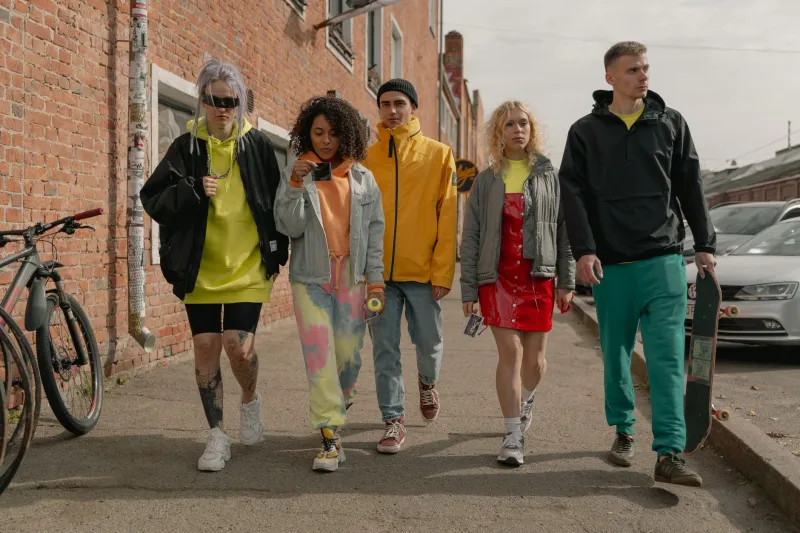
There's a moment happening on every American campus and in every downtown coffee shop right now. Two kids, both dressed in perfectly-cut neutral tones, both clearly spending real money. Neither one is wearing a logo you can clock from across the street.
Ten years ago, that scene didn't exist in streetwear. The logo wasn't just part of the culture — it was the culture. The box logo, the big spellout, the graphic across the chest. You wore who you were. Now? The loudest generation in fashion is whispering, and not everybody's happy about it.
Where the Logo Came From
To understand what's at stake, you have to remember what the logo meant. For kids in New York, LA, and everywhere between, slapping a brand name across your chest was never about advertising. It was about membership. When the culture was shut out of luxury's front doors, streetwear built its own entrance — and painted its name above it in huge letters.
The graphic tee said I'm here, I know something you don't, and I'm with the people who know it too. That's not marketing. That's identity.
The Case for Quiet
The other side of the argument goes like this: streetwear won. It's in boardrooms, on runways, in the workplace. And with legitimacy came a new consumer — older, wealthier, and tired of walking billboards. Brands followed the money, and the money wanted clean.
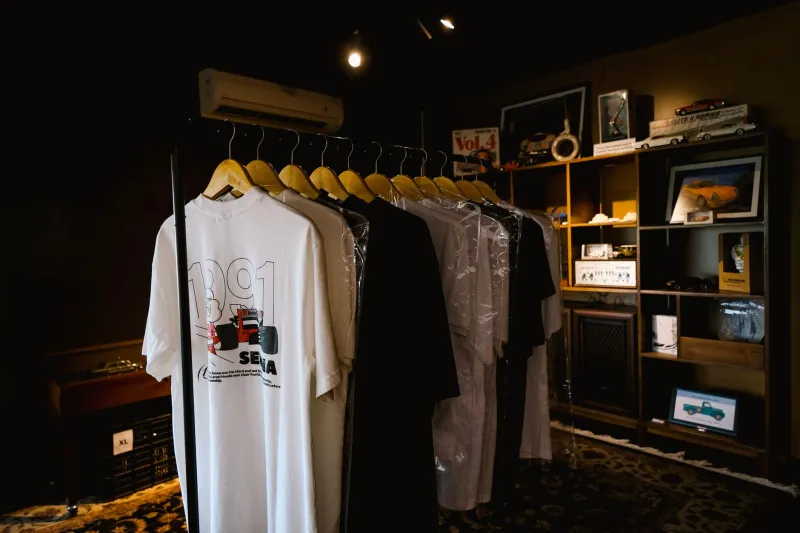
There's also a craft argument. When you strip the logo, all that's left is the garment itself — the cut, the fabric, the weight. Some designers will tell you that's a higher standard, not a betrayal. Anyone can put a logo on a blank. Only real ones can make a blank worth wearing.
And honestly? There's a freedom in it. A closet of undyed heavyweight pieces mixes with everything. No graphic gets old. No branding dates your fit to a specific drop season.
The Case Against
But here's what the quiet crowd keeps missing: the logo was never for them. It was a flag planted by people who were told their style wasn't valid. Toning it down to make streetwear more digestible for corporate America feels, to a lot of heads, like renovating the culture for guests who never liked the house.
There's also a practical reality. Logos — and the graphics around them — are how subcultures talk. The design on your chest can carry a joke, a protest, a memory. Remove the language of graphics and you're left with expensive silence.
So Who Wins?
Probably both. Walk through any major American city and you'll see the split in real time: the logo-heavy fits still running the block, the tonal minimalists running the gallery openings. Different uniforms for different rooms, and plenty of people now keep both in the rotation.
The real question isn't whether the logo dies. It won't. It's whether streetwear remembers that being loud was never a flaw — it was the point. Minimalism can share the room. It just doesn't get to evict everybody else.