Cut and Sewn in the USA: The Small Labels Betting Everything on Bringing Production Home
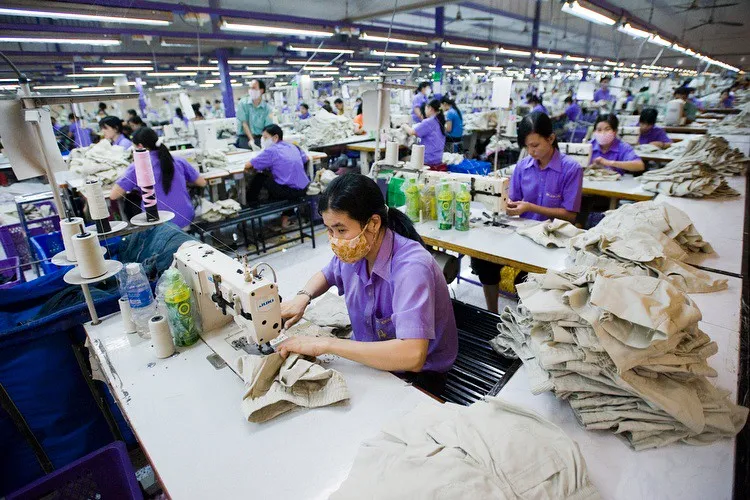
Photo: Eric Wolfe, CC BY-SA 4.0, via Wikimedia Commons
There's a tag sewn into a growing number of streetwear pieces that used to be a relic: Made in USA. For two decades it mostly signaled expensive denim or workwear revivalists. Now it's showing up on hoodies, tees, and cut-and-sew pieces from small labels with more Instagram followers than wholesale accounts — and the reasons why say a lot about where the culture is headed.
The Squeeze That Started It
The offshore model that built modern fashion is under real strain. Shipping costs that used to be an afterthought became line items that could kill a small brand's margin. Tariff uncertainty made pricing feel like gambling. Minimum order quantities overseas forced young labels to commit to thousands of units before selling a single one — a bet most of them lose.
Then there's the story problem. Consumers, especially younger ones, increasingly ask where things are made and under what conditions, and "we don't really know" has become an answer brands can't afford to give. Domestic production doesn't just shorten the supply chain. It shortens the distance between the brand and an honest answer.
Inside the LA and NYC Cutting Rooms
Los Angeles remains the center of gravity for domestic apparel production. The garment district around downtown still hums with contractors who can take a small label from pattern to finished piece in weeks, not the seasons an overseas order demands. Brands can visit the floor, check stitching mid-run, and adjust a fit based on how samples actually drape on real bodies. That speed is a superpower in streetwear, where a trend can crest and crash inside a month.
New York's scene skews smaller and more specialized — knitwear, premium fleece, smaller-run cut-and-sew with price tags to match. What both cities share is a network of family-run factories, many staffed by immigrant seamstresses whose skills genuinely can't be replicated by a generic offshore line. Several emerging labels we spoke with described the same revelation: their first domestic sample came back better than anything they'd produced abroad, and the factory owner caught construction errors they hadn't even noticed.
The Price Tag Problem — and Why It Might Not Be One
Let's be honest about the math. A domestically produced hoodie might cost the brand two to three times what an offshore equivalent would. That lands on the consumer, usually as a $90 to $150 hoodie in a market flooded with $40 alternatives.
So who's buying? A few overlapping groups. Quality-driven buyers who've watched fast-fashion fleece pill and shrink through two washes. Ethics-driven buyers who treat labor conditions as part of the product. And a growing contingent who buy domestic the way they buy made-in-Japan denim — as a flex with substance behind it.
That last group is the interesting one. Streetwear has always run on scarcity and story. "Limited to 150 pieces because that's what our LA contractor could cut this month" is a scarcity story that's actually true. In a culture exhausted by manufactured hype, genuine constraints have a credibility that manufactured ones can't touch.
Is the Tag the Next Status Symbol?
Here's our honest take: the Made in USA tag is becoming a status symbol, but a quieter one than most. It won't show up in a logo on the chest. It lives in the details — the weight of the fleece, the clean bar tacks, the price that makes you research before you buy. The people who notice it notice everything, and in streetwear, those are the people whose approval actually matters.
The risk is co-option. If major brands start slapping domestic tags on pieces that are only finished here, the label's meaning erodes fast. Authenticity is the whole value; fake it and you've got nothing.
What It Means for Your Rotation
For shoppers, the practical advice is simple: when a small brand charges a premium for domestic production, ask questions. Where's it cut? Who sews it? Good labels answer proudly and specifically. Vague answers are a red flag in either direction.
The bigger picture is that streetwear has always been about making something out of what's available — turning sportswear into culture, corners into runways. Watching small American labels rebuild a domestic manufacturing base, one small run at a time, feels like the same instinct wearing a new form. Made in America, worn everywhere. It has a ring to it. Turns out the ring is earned.