From the Tunnel to the Timeline: Why Your Favorite Fit Probably Started in a Locker Room
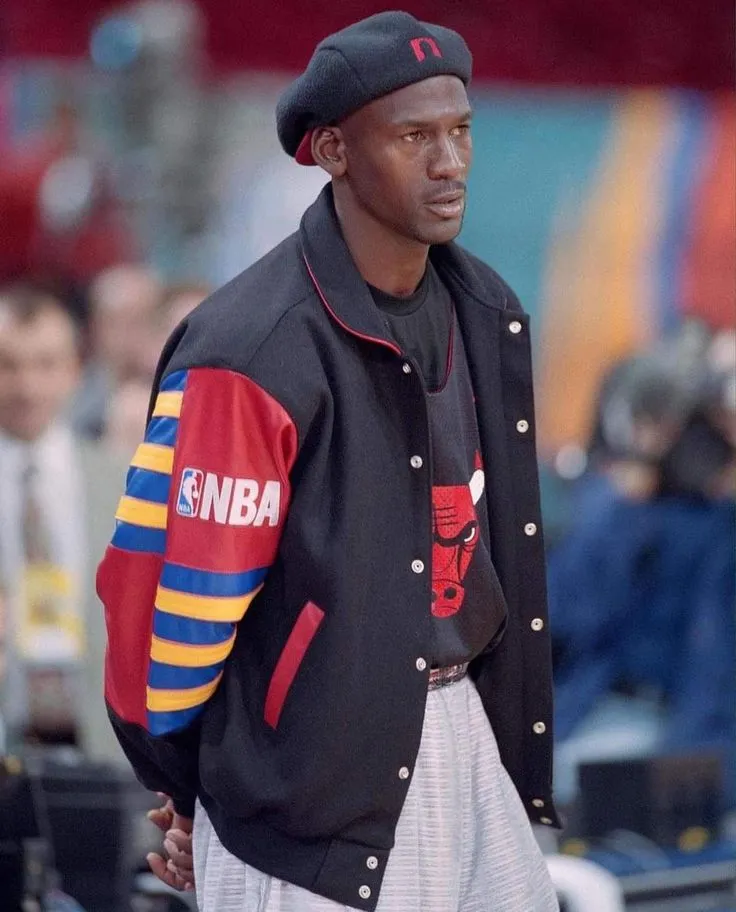
Photo: vintage NBA jersey streetwear outfit urban fashion, via i.pinimg.com
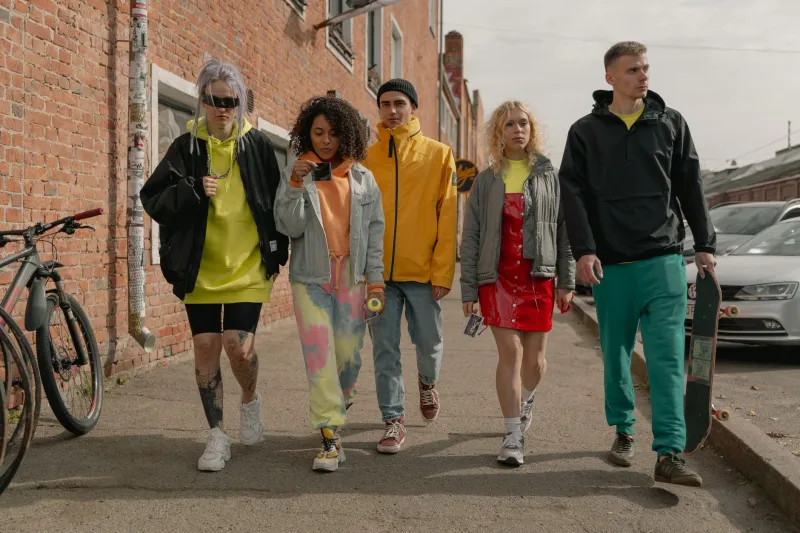
Look around at any gathering of well-dressed people under thirty in America and run a quick inventory. Somebody's in a vintage NBA jersey. Somebody's got a Starter jacket that hasn't seen a sideline since the nineties. Somebody's rocking a fitted cap with a logo for a team they've never once watched on television. Sports merch isn't just adjacent to streetwear anymore. It IS streetwear, and it has been for longer than most people realize.
The Crossover Was Never a Crossover
Here's the thing people miss when they talk about sports fashion "trending": the relationship between hoops culture and what gets worn on the block was never a partnership between two separate worlds. It was always the same world. Basketball courts in Philadelphia, Detroit, and Oakland were style laboratories decades before brands hired style consultants. Players dressed like the neighborhoods they came from, and the neighborhoods dressed like the players. The feedback loop was local, organic, and completely unlicensed.
What changed was that everyone else caught on. Once sideline fits started showing up on Instagram and tunnel walks became content in their own right, the leagues realized they were sitting on something valuable: an audience that treats team apparel as identity, not just fandom.
Throwbacks, Fitteds, and the Nostalgia Economy
The vintage pipeline deserves its own museum. Mitchell & Ness turned dead-stock jerseys into holy grails. The throwback wave of the early 2000s — driven in large part by hip-hop putting NBA hardwood classics into heavy rotation — proved that a shirt could mean as much for its era as its team. A Sacramento Kings jersey in the wrong decade of cut tells a whole story about where the wearer was coming from.
Fitted caps ran the same play. New Era's 59FIFTY became a uniform piece for an entire generation, and the etiquette around it — keeping the sticker on, breaking in the brim, knowing which colorways were era-correct — was streetwear knowledge before the word "streetwear" was even in mainstream circulation.
When the Leagues Learned to Play Fashion
For a long time, the NFL and NBA treated licensing like a vending machine: slap a logo on a polyester tee, collect the check. That era is over. Recent partnerships between leagues and legit fashion houses have rewritten the playbook entirely. We're seeing tailored team capsules, premium wool varsity pieces, and collaborations that get announced on runways instead of in sporting goods stores.
The NBA's approach especially has been fascinating. By loosening what players could wear to the arena, the league accidentally created a weekly fashion show with built-in reach that no brand could buy. Every tunnel walk is an ad the league doesn't have to produce. Meanwhile, the NFL's vintage-adjacent merch drops sell out with the same energy as any hype release — minus the camping, plus the tailgate.
Why Team Colorways Hit Different
There's a practical reason sports gear works so well in rotation: the palettes are already solved. Team colorways are combinations refined over decades of fan culture. Black and gold, kelly green and white, that specific shade of Viking purple — these are pre-tested color stories that look intentional even when the fit is lazy. A hoodie in team colors reads as a styling choice. The same hoodie in a random color reads as a hoodie.
Vintage pieces add another layer: patina. A jacket that's been to actual games carries a texture you can't manufacture. In a culture that prizes authenticity above almost everything, real wear beats artificial distressing every time.
What Fan Gear Means Now
The new wave of licensed fashion asks a bigger question: what is fan gear for? The old answer was simple — you wear it to the game. The new answer is that team apparel is a language. You can rep a city you moved away from. You can honor a player whose era shaped you. You can wear a colorway because it's beautiful, full stop, no fandom required.
The leagues, to their credit, have mostly stopped policing that. When your merch becomes everyday clothing, every wearer is marketing, whether they've watched a single quarter or not.
The Playbook Going Forward
Expect the lines to keep dissolving. More collaboration capsules, more premium materials, more drops timed to seasons rather than playoffs. The risk, as always with streetwear, is overcorrection — if every team becomes a lifestyle brand, the merch stops meaning anything. The best versions of this trend keep one foot in the actual sport, because that's where the story lives.
Until then, dig through your local vintage shop. That eighty-dollar Starter jacket might be the most versatile piece in your closet. The arena built the uniform. The streets just made it make sense.