The One-Off Tee Is Back: Inside Streetwear's Local Print Shop Era
Photo: Infrogmation, CC BY-SA 4.0, via Wikimedia Commons
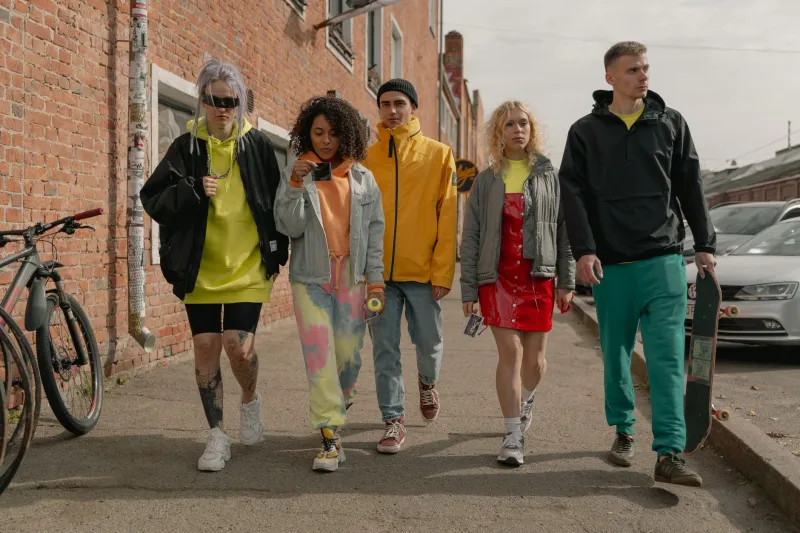
In 2026, the most interesting graphic tee in the room is often not the one with the biggest logo. It is the one that nobody else is wearing. Maybe it was printed two blocks from the wearer's apartment. Maybe it was a run of twenty. Maybe it was a run of one. The local print shop has become streetwear's quietest creative studio, and the people using it are not waiting for a brand to tell them what is cool.
The Local Shop Hits Different
For years, the streetwear pipeline ran in one direction: wait for the drop, pay the markup, hope the fit works, and post it before everyone else does. That model still exists. But a growing number of people are tired of paying for the same logo as everyone else.
A local screen printer offers something the megabrand cannot: speed, access, and control. You can bring a drawing, a photograph, a phrase, or a weird idea you had at 2 a.m. You can choose the blank, the ink color, the placement, and the run size. You can make something that exists because you wanted it to exist.
That is not just customization. It is authorship.
The Blank Is the Foundation
A great print on a bad blank is a bad shirt. Before you fall in love with your artwork, fall in love with the fabric. Heavyweight cotton gives a structured, boxy drape. Ringspun cotton feels softer and lighter. Garment-dyed blanks have a lived-in color from the start. Deadstock blanks can give you a one-off texture and a smaller footprint, but supply is unpredictable.
Ask the printer what they recommend. Feel the samples. Check shrinkage. Look at the collar and the side seams. A local shop has probably printed on more blanks than you have worn, so use that knowledge. Bring your own blank if you have a favorite, but confirm the printer can handle it.
Working With a Printer Without Driving Them Crazy
Come with clean artwork. Vector files are ideal. High-resolution PNGs can work. Know your placement and approximate size. Ask about screen fees, setup costs, minimums, turnaround time, and whether they can match a specific ink color. If you want a one-off, ask whether they do direct-to-film or heat transfers alongside traditional screen printing.
Be honest about your budget. Small shops are not trying to upsell you into a 200-piece run if you need five shirts. They are trying to keep the lights on and the screens clean. Clear communication gets you a better result and a relationship you can use again.
Copyright Is Not a Vibe
This is where a lot of DIY drops go wrong. You cannot print a sports team logo, a cartoon character, a band's artwork, a trademarked slogan, or a celebrity's face and call it a personal project. Parody is not a blanket permission slip. Public domain images still need care. If you did not make it and you do not have permission, do not print it and sell it.
Reputable print shops will refuse jobs that cross the line. Respect that. The whole point of local printing is to make something original, not to borrow someone else's intellectual property and hope nobody notices.
Small Batch, Big Signal
A one-off tee carries a different kind of weight than a mass-produced logo. It has a story. It has a place. It has a reason. Maybe it was printed for a friend's birthday. Maybe it was a fundraiser for a local skate park. Maybe it was a commentary on the block. The scarcity is real, not manufactured.
That is why small-batch graphics are showing up in streetwear conversations alongside vintage and archival pieces. They are not just clothes. They are artifacts of a specific moment and a specific scene.
The Economics of Doing It Yourself
Custom printing is not a get-rich-quick plan. Blanks cost money. Screens cost money. Labor costs money. If you want to sell, price honestly and start small. A run of twenty is enough to learn what works. A run of fifty is enough to test a market. A run of five is enough to make something you actually want to wear.
The reward is not always profit. Sometimes it is a shirt that fits exactly how you wanted, with a graphic that means exactly what you meant, made by someone in your city who knows your name.
The Next Frontier Is Your Neighborhood
The megabrand drop is not going anywhere. But the local print shop is offering a different kind of cool: slower, smaller, and more personal. In a culture that keeps chasing the next big thing, there is something radical about making the next small thing yourself.