Dead Fits Don't Have to Stay Dead: How to Rescue the Pieces You Can't Let Go
There's a specific kind of grief that hits when your favorite piece finally gives out. Not the dramatic kind — more like a slow realization one morning when you pull it off the hanger and hold it up to the light. The collar's blown out. There's a mystery stain that survived three wash cycles. The graphic is cracked so bad it looks like a topographic map. You wore this thing everywhere. It was you. And now it's just... sitting there.
This is the fit graveyard. Every real one has one. A corner of the closet where the pieces that meant something go to collect dust because they're too far gone to rock but too loaded with history to throw away. The culture talks a lot about copping new heat, but not nearly enough about what happens to the stuff that made us who we are.
Let's fix that.
Why We Hold On (And Why That's Not a Bad Thing)
Attachment to clothing isn't weakness — it's actually one of the things that separates streetwear heads from people who just buy clothes. When you've worn a hoodie to a sold-out show, broken it in during a summer that changed your life, or copped it from a brand that doesn't even exist anymore, that piece carries weight. Literally and figuratively.
The problem is that sentimental value and wearable condition don't always age at the same rate. The memories stay fresh. The fabric doesn't. And so the piece ends up in limbo — you're not ready to let it go, but you're also not putting it on your body anytime soon.
Here's the thing though: that attachment is actually your biggest asset when it comes to reviving a piece. You already care about it. That's half the work.
Diagnose Before You Decide
Before you start pulling threads or reaching for a bleach pen, you need to get honest about what you're actually dealing with. Not every damaged piece is worth saving, and not every piece that looks dead actually is.
Pull it out of the graveyard. Lay it flat. Ask yourself:
- Is the damage structural (tears, holes, blown seams) or cosmetic (fading, staining, graphic wear)?
- Is the fabric still intact, or is it thinning out to the point where repair is just delaying the inevitable?
- Could a skilled tailor or seamstress actually fix this, or are you hoping for a miracle?
Structural damage is almost always fixable if the surrounding fabric is solid. Cosmetic damage is often easier to work with than people think — and sometimes it's not even damage, it's character. A faded tee that's been washed a hundred times has an authenticity that no brand can manufacture.
The Repair Route: Bringing Structure Back
For pieces with actual physical damage — rips, tears, busted zippers, fraying hems — your first call should be a tailor or alterations shop. Not a dry cleaner, not a friend who owns a sewing kit. A real tailor.
This isn't as expensive as people assume. A blown-out seam on a hoodie? Twenty bucks, maybe less. A pocket reattachment or a zipper swap? Usually under forty. For a piece that cost you a hundred and fifty and means three times that to you, that's nothing.
If you want to go hands-on, iron-on patches and fabric glue have come a long way. The key is matching weight and texture — slapping a woven patch on a lightweight tee looks wrong because it is wrong. Sashiko stitching, a Japanese repair technique that's been making serious rounds in streetwear circles, is another option that doesn't just fix damage — it turns the repair into a design element. Visible mending done right looks intentional. It looks like art.
The Alteration Route: Change What It Is
Sometimes a piece isn't wearable in its original form, but it's absolutely wearable in a different one. This is where alterations stop being about fixing and start being about evolving.
That oversized tee with the incredible graphic but the ruined hem? Crop it. The graphic survives. The silhouette gets refreshed. The piece lives again.
That hoodie with the irreparably stained sleeves? Cut them off. Bleach the whole thing intentionally. Distress the edges. Now you've got a custom piece that no one else has, built from something that already had history.
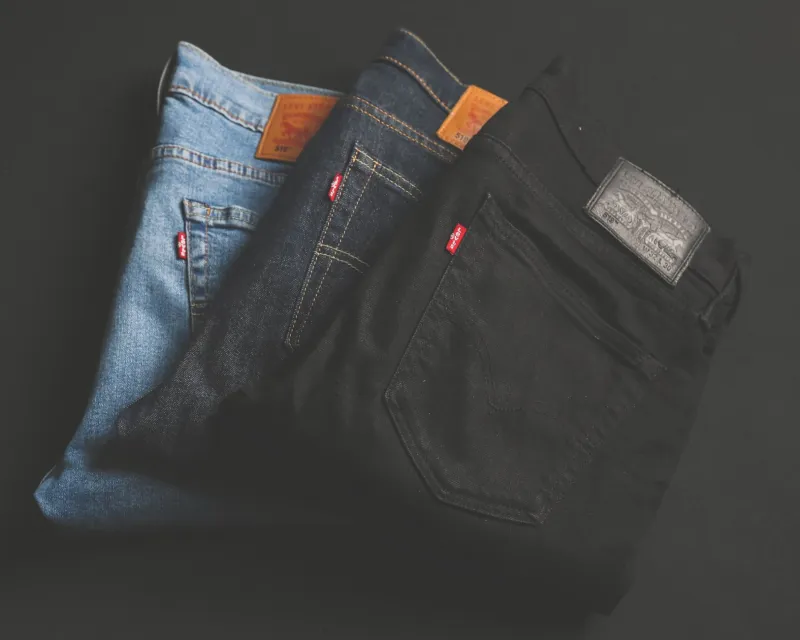
Denim is especially forgiving here. Jeans with blown-out knees become shorts. Jackets with damaged cuffs get cropped. A structured denim piece can be completely deconstructed and reimagined with the right hands on it.
The culture has always done this. Before upcycling had a name, people were cutting up band tees and stitching them back together in ways that made them mean something new. That instinct is still valid.
The Upcycle Route: Make It Something Else Entirely
This is the deepest cut, and it's not for everyone — but if a piece is truly unwearable in any clothing capacity, it doesn't have to stop existing. It can become something else.
Graphic tees that are too far gone to wear have been turned into framed art, throw pillows, tote bags, and patches on entirely different jackets. A hoodie with sentimental value can be deconstructed into a wall piece. A collection of worn pieces can be quilted together into something that preserves the whole era, not just one item.
This sounds extreme until you actually see it done. Then it looks obvious. Why would you throw away a piece of your history when you could put it on the wall?
Know When to Let Go
Here's the part nobody wants to hear: some pieces are genuinely done. The fabric is too far gone. The repair would cost more than the piece is worth emotionally or financially. The alterations would require changing it so much it wouldn't be the same thing anymore.
When that's the case, the most respectful move is a real send-off. Donate it if it's still wearable by someone else's standards. Photograph it before it goes — document the damage, the wear, the history. Some people keep a small swatch of fabric from pieces that meant a lot. That sounds sentimental until you're actually holding a square of the hoodie you wore every day for three years and realizing it's enough.
Letting go of a piece doesn't mean letting go of what it represented. The culture moves forward. So do you.
The Real Flex Is Keeping It Alive
In an era where new drops hit every week and the pressure to stay current is relentless, there's something genuinely countercultural about refusing to throw things away. About investing in repair instead of replacement. About wearing something that has actual history on it instead of something that's just new.
The fit graveyard doesn't have to be permanent. Most of what's in there can come back — with the right approach, the right hands, and the willingness to let a piece be something different than what it started as.
The pieces that meant something deserve better than a slow fade in the back of the closet. Dig them out. Figure out what they need. Put in the work.
That's the culture, too.