Looks Good on the Grid, Hurts on the Block: The Real Cost of Chasing the Perfect Fit
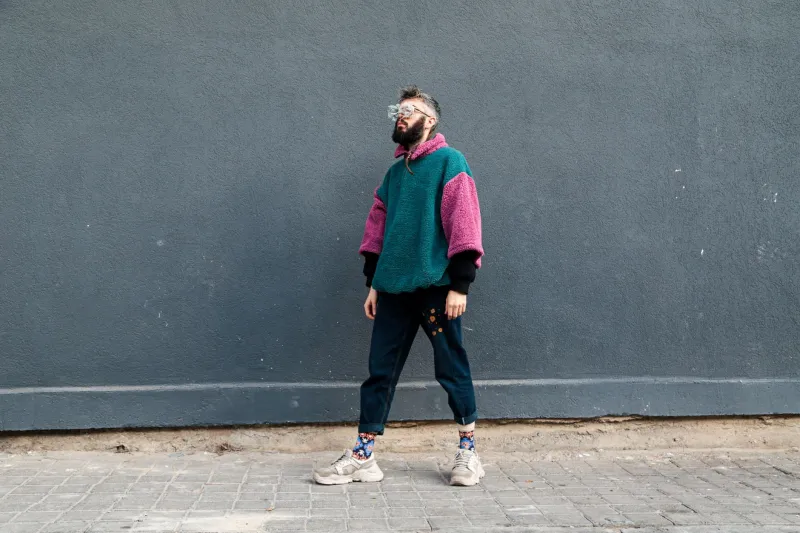
You've seen the fit. Oversized technical jacket sitting just right. Pants stacked perfectly over a pair of heat that took six months on a waitlist. The whole thing looks like it was assembled by a stylist with an unlimited budget and zero subway commutes in their future. You screenshot it. You study it. You try to rebuild it.
Then you actually wear it — and somewhere between the parking garage and the coffee shop, you realize something is deeply wrong.
This is the fit check paradox, and if you've spent any real time chasing streetwear aesthetics, you've lived it.
The Illusion Factory
Instagram, TikTok, Pinterest — the whole content ecosystem around streetwear is essentially a highlight reel of clothing performing at its theoretical best. Controlled lighting. Carefully chosen backdrops. A photographer who knows exactly which angle makes those proportions sing. Most of those shots happen in a ten-minute window before the creator changes back into something they can actually function in.
That's not shade — it's just the reality of how fashion content works. The problem kicks in when those images become the benchmark for what a "real" fit is supposed to look like. You start chasing a visual standard that was built for a camera, not for a Tuesday afternoon in Chicago when it's 38 degrees and you've got three stops on the L before you get to where you're going.
Streetswear, at its core, was never supposed to work that way. The whole culture came up from people dressing for actual urban life — movement, weather, public transit, long nights, unexpected situations. The grid version of streetwear has quietly flipped that origin story on its head.
What Gets Sacrificed in the Chase
Let's be specific, because this isn't just a vibe complaint.
Comfort takes the first hit. A lot of the silhouettes that look incredible in photos — extreme proportions, rigid structured pieces, heavily layered builds — are genuinely uncomfortable to wear for more than an hour. Oversized coats that photograph beautifully can be physically awkward when you're navigating a crowded train platform. Pants with a very specific stack that looks clean in a still image becomes a trip hazard when you're actually moving through a city.
Practicality goes next. Pockets are a real issue in a lot of high-aesthetic pieces. Footwear that's been kept pristine for the 'gram turns every puddle into a crisis. Layering combinations that look effortless in a photo can leave you sweating through the first layer by the time you've walked two blocks.
Mobility is the quiet casualty nobody talks about. Some of the most visually striking streetwear builds — think ultra-stacked silhouettes, heavily cinched layers, extremely fitted technical pieces — genuinely restrict how you move. And in an urban environment where you're constantly walking, climbing stairs, ducking in and out of spots, that matters more than people want to admit.
The Authenticity Angle
Here's where it gets interesting from a cultural standpoint. Streetwear has always had an authenticity premium baked into it. The whole point is that this isn't fashion-show clothing — it's what real people wear in real places. That's the story the culture tells about itself.
But when the aesthetic standard gets set by content that's optimized for a camera rather than a city block, you end up with a weird disconnect. Pieces get praised for how they photograph rather than how they wear. Fits that are genuinely difficult to move in get treated as aspirational. The culture that was supposed to be about real life starts rewarding a very specific kind of performance.
It's not a crisis — it's just worth naming.
The Sneaky Move: Fits That Do Both
The most underrated skill in streetwear right now is building a wardrobe that looks as good in motion as it does in a still. It's harder than it sounds, but the people who've cracked it are genuinely running the culture at street level.
A few things they've figured out:
Proportion work doesn't require discomfort. You can build a strong, visually interesting silhouette with pieces that actually fit your body and let you move. The key is being intentional about where you want volume and where you don't — rather than just defaulting to maximum oversizing across every layer.
Functional pieces photograph better than you think. Technical fabrics, well-constructed outerwear, quality denim — these things hold their shape and look clean in photos precisely because they're built to perform. A jacket that was designed to actually keep you warm in a New York winter often has better visual structure than something that was styled for a shoot.
Footwear is where the real decisions happen. Your shoes are the hinge of most streetwear fits, and they're also where the tension between aesthetics and wearability is sharpest. The move isn't to sacrifice one for the other — it's to build your rotation around shoes that earn their keep in both categories. A silhouette that works on the grid AND doesn't destroy your feet by noon is worth more than two pairs that only do one of those things.
Layering for real weather beats layering for the photo. When your layers are actually doing something — managing temperature, adding wind protection, giving you options as the day changes — they tend to look more considered and less costumey. There's a difference between layering that's functional and layering that's just visual noise.
Read the Room (And the Weather App)
There's also a context piece here that doesn't get enough airtime. The fits that go the hardest on the grid are often built for a very specific kind of urban environment — usually a warm, photogenic city with good light and minimal weather drama. That aesthetic doesn't always translate to Minneapolis in February or Houston in August.
Dressing well for your actual city, your actual climate, and your actual daily life is a flex in itself. It takes more thought than just replicating something you saw online, and the result tends to look more personal and more intentional — which, ironically, is exactly what the culture says it values.
The Real Flex
At the end of the day, the fit check paradox is really about who you're dressing for. If the goal is content, then optimize for the camera and change when you get home — no judgment, that's a legitimate creative choice. But if the goal is actually wearing the culture, actually moving through your city in something that represents you and holds up when real life happens, then the standard has to be different.
The real flex isn't the fit that breaks the internet. It's the fit that looks just as good three hours later, after you've taken the train, grabbed a coffee, and handled whatever the day threw at you. That's a harder thing to build — and a much more interesting one to wear.


